The Canadian Crew

Film Theatre Visual Arts

BUY LOCAL

  • Home
  • Features
  • Reviews
  • Podcasts
  • Home entertainment
  • Contribute
  • About

Emma Thompson in The Children Act.

TIFF ’17 Day 3: The Children Act, The Ritual, Porcupine Lake

September 09, 2017 by Jorge Ignacio Castillo in TIFF, Review

By Jorge Ignacio Castillo

The Children Act (UK, 2017. Dir: Richard Eyre): Based on a novel by Ian McEwan, The Children Act is not only a thorough character piece about a judge whose rigidity renders her unable to deal with life’s curveballs. It’s also a fantastic showcase for Emma Thompson, too long stuck in supporting roles or as the love interest of some old fogey (often Dustin Hoffman).

Thompson is the Honorable Fiona Maye. Her specialty are medical cases that require an speedy process. Her job is fascinating but has taken a toll on her marriage to Jack (Stanley Tucci). The same week Jack announces his intention to have an affair, Fiona must rule on a case that pits the parents of a teen with leukemia against the hospital he is held at. Their religion forbids transfusions, even though the kid desperately needs one. Fiona’s job begins to bleed into her personal life and vice versa in unexpected ways.

Adapted to the screen by McEwan himself, The Children Act is predominantly a character study with a captivating plot lurking underneath. Dialogue and subtext are a delight, reminiscent of also superb 45 Years (heartbreak happens at every age). Tucci’s part is somewhat underwritten and the third act abandons the sobriety that makes the piece so compelling, but overall is a very relatable piece. Three and a half stars. Distribution in Canada: Theatrical.


The Ritual (UK, 2016. Dir: David Bruckner): Modeled after The Wicker Man and, to a lesser degree, The Blair Witch Project, The Ritual stands slightly above films with similar influences on the strength of the acting and psychological undertones.

Following the violent death of the leader of their pack, four friends decide to honor his wish of spending the holidays hiking the Northern Sweden highlands. The already harebrained idea (all four are city folk) becomes deathly when the group becomes the target of an unseen forest dweller.

The film is at its best when dealing with the unraveling psyche of the foursome. The main focus is on Luke (Rafe Spall, Roadies) who nurses a massive case of survivor’s guilt (their friend’s death was partially his fault). The Ritual is not nearly as effective when the force stalking them goes from abstract to all too real. Two and a half stars. Distribution in Canada: Likely theatrical.


Porcupine Lake (Canada, 2017. Dir: Ingrid Veninger): Ingrid Veninger’s most traditional film to date is a coming-of-age story that unfolds during the dog days of summer. City girl Bea (Charlotte Salisbury) is the dutiful daughter to a couple on the verge of breaking up. In dire need of a friend her own age, Bea connects with Kate (Lucinda Armstrong Hall), a townie with her fair share of issues at home.

The girls become fast friends and find solace on each other’s company, to the point of tentatively exploring their sexuality. It doesn’t reach Heavenly Creatures territory, but comes close.

Despite the stilted dialogue and some less than polished performances, Porcupine Lake is a charming flick that captures the hazy transition from childhood to puberty, as well as the horrifying realization that adulthood can be pretty ugly. Worth a look. Two and a half stars. Distribution in Canada: Likely theatrical.
September 09, 2017 /Jorge Ignacio Castillo
TIFF '17, The Children Act, The Ritual, Porcupine Lake
TIFF, Review
Comment

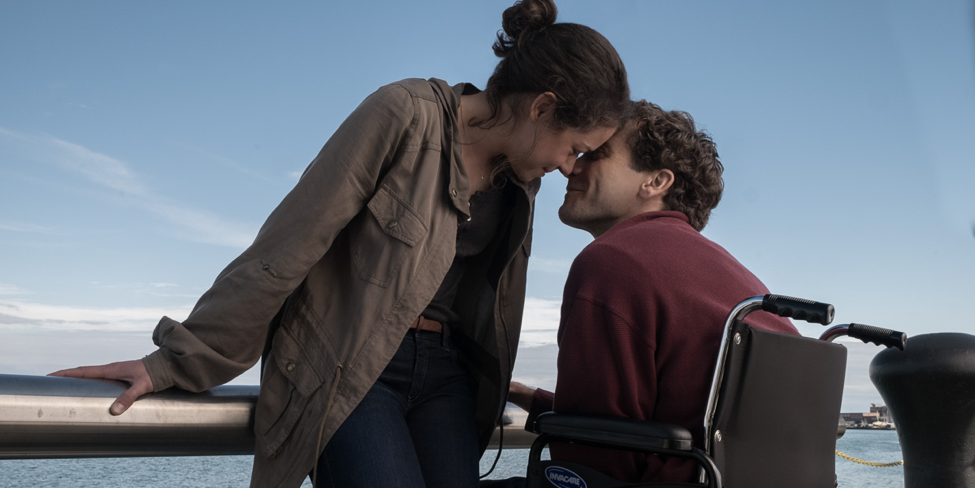
Tatiana Maslany and Jake Gyllenhaal in Stronger.

TIFF ’17 Day 2: Stronger, The Insult, What Will People Say

September 08, 2017 by Jorge Ignacio Castillo in TIFF, Review

By Jorge Ignacio Castillo

Stronger (USA, 2017. Dir: David Gordon Green): This year’s second feature inspired by the 2013 Boston Marathon bombings approaches the matter from an individual perspective. The film zeroes on Jeff Bouman (Jake Gyllenhaal), a flaky Bostonian who loses both his legs in the blast. The film covers Bouman’s rehabilitation and his relationship with his ex-girlfriend (Tatiana Maslany), who was the reason Jeff was at the race in the first place.

Even though the direction and acting are top notch (although the Boston-personality traits border the caricature), Stronger is a very standard affair: Every beat can be seen from a mile away. The movie hints at the emptiness of platitudes like “Boston Strong”, but doesn’t have the dramatic courage to quite go there. The most subdued characters (Maslany, Carlos Sanz as the man who saved Bouman’s life) are the brightest ones.

Stronger also flirts with the notion that no matter what major event, sooner or later people return to their default settings (once a screw-up, always a screw-up). Predictably, it folds on itself by the third act. All things considered, as meat-and-potatoes dramas go, you could do a lot worse. Two and a half stars. Distribution in Canada: Theatrical.


The Insult (Lebanon/France, 2016. Dir: Ziad Doueiri): A classic festival film (a movie that thrives in this kind of environment, but is unlikely to flourish outside), The Insult deals with a specific rift in the Arab world, one that doesn’t get much attention: The strain between Christians and Palestinian refugees in Lebanon.

Tony is a mechanic with a simmering resentment against Palestinians, which flares up when an illegal contractor starts working on his block. A spat over a drain escalates when the worker insults Tony, the mechanic responds with a racial slur, and the contractor punches him in the ribs. Soon the justice system, the press and even the President of Lebanon get involved.

Despite some minor issues (the score is -to put it charitably- blunt; one of the twists is soap opera-worthy), The Insult remains firmly grounded in reality, even as the squabble spirals out of control. The approach to the matter is refreshingly earnest, even when the conflict is ripe for cynicism and irony. I was slightly distracted by the very attractive actress playing Tony’s wife (she is the spitting image of Emily Ratajkowski), but that’s on me.

Three and a half stars. Distribution in Canada: Likely theatrical.


What Will People Say (Norway/Germany/Sweden. Dir: Iram Haq): Scandinavian cinema tends to look at the subject du jour directly, never mind how controversial it may be. What Will People Say is a veritable minefield, but writer/director Iram Haq’s vision doesn’t compromise… until the last three minutes of the movie

Nisha (newcomer Maria Mozhdah) is the eldest daughter of a traditional Pakistani family living in Norway. While respectful of her heritage, Nisha has grown as an average Westerner teen. Her two worlds come into conflict when her father finds a boy in her bedroom. Shunned by her family and community, Nisha is forcefully relocated to Pakistan. Her attempts to reach out for help are regularly thwarted by her relatives and a misplaced sense of loyalty.

Regardless of the number of setbacks Nisha must face, What Will People Say never feels like misery porn. In fact, it’s gripping. Every mishap, every poor decision is firmly rooted in reality, which is why the denouement stroke me as false. On a bad movie, I wouldn’t mind. The problem is that What Will People Say flirts with greatness. Four planets/dogs/stars.  Distribution in Canada: TBD.


September 08, 2017 /Jorge Ignacio Castillo
Stronger, The Insult, What Will People Say
TIFF, Review
Comment

Call Me by Your Name.

TIFF ’17 Day 1: Call Me by Your Name, The Killing of a Sacred Deer, Loveless

September 07, 2017 by Jorge Ignacio Castillo in Review, TIFF

By Jorge Ignacio Castillo

Call Me by Your Name (Italy/France, 2017. Dir: Luca Guadagnino): How about a stone-cold masterpiece to kick off TIFF’s coverage this year. A filmmaker who has already shown considerable potential (I Am Love, A Bigger Splash), Luca Guadagnino finds a new gear with the thorough, compelling coming-of-age drama Call Me by Your Name.

Set in Northern Italy in 1983, the film revolves around Elio (star-making turn by Timothée Chalamet), a well-liked teen and beloved only son of an archeologist and a translator. The idyllic boredom of summer in Italy becomes disrupted by the arrival of Oliver (Armie Hammer), an American scholar in town to intern for Elio’s dad. Oliver’s presence triggers unknown feelings in Elio, who tentatively begins pursuing the American, while simultaneously exploring his sexuality with a girl his own age.

There is no high drama in Call Me by Your Name, just a teen assimilating new experiences and shaping his personality accordingly. The film (adapted by James Ivory) is beyond lovely and methodical, covering every aspect of the life of an adolescent at a critical moment of his growth. True to form, the climax is as low impact as a loving father comparing his own experiences to his son’s, and suggesting what to do of them. Think Stealing Beauty, but twice as good. Five stars. Distribution in Canada: Theatrical.

The Killing of a Sacred Deer (Ireland/UK, 2016. Dir: Yorgos Lanthimos): Lanthimos’ latest starts suspiciously like his previous film, the darkly comedic The Lobster. Colin Farrell introduces his character -a renowned cardiologist- in a monotonous, detached fashion. However, as the movie progresses, The Killing of a Sacred Deer hits a more relatable note: The costs of the greater good.

Unbeknownst to his family, Dr. Murphy (Farrell) meets with a very polite teen named Martin on regular basis. The nature of this relationship is kept in the dark for a good chunk of the film, but doesn’t appear to be very wholesome. As Martin demands more time and dedication from the surgeon, Murphy becomes spooked. An attempt to ghost him triggers a devastating reaction.

Lanthimos keeps his cards close to the chest until the second half, when the (somewhat) standard stalker drama morphs into an exercise in ethics and morals I don’t wish to spoil here. Suffice to say, the good doctor finds out there are limits to the power of modern medicine. As it’s traditional with the Greek filmmaker, the pitch-black sense of humor is perfectly calibrated. The novelty here is the sense of despair that comes with the comedy. Three and a half stars. Distribution in Canada: Theatrical.

Loveless (Russia, 2017. Dir: Andrey Zvyagintsev): By far the better known Russian filmmaker at work today, Andrey Zvyagintsev doesn’t mince words to depict a morally bankrupt society. In Leviathan, the director portrayed the political world as a haven of corruption. In Loveless, Russian middle class doesn’t fare much better under Zvyagintsev’s unflinching eye.

A couple going through the most acrimonious of divorces is forced to live under the same roof until liquidating their apartment. They have a kid, a sad boy no one pays any attention to. Their utter disregard for the child is such that, when he disappears, it takes them over a day and a half to notice. More out of obligation than genuine concern, the bickering duo must navigate the unhelpful Russian bureaucracy to get some help. Not that the disappearance puts a dent on their hatred for each other.

If you think this description is dour, just wait until you see the movie. From Zvyagintsev’s perspective, the pursuit of material riches has corrupted the soul of the country to such point, people willing to help are the exception and money is the only parameter of success. The filmmaker is thorough in his description of modern Russia’s malaise and even takes a few swipes at Putin while at it. Loveless is a bit thick to swallow, but highly rewarding. Three and a half stars. Distribution in Canada: Theatrical.

September 07, 2017 /Jorge Ignacio Castillo
Loveless, The Killing of the Sacred Deer, Call Me by Your Name, TIFF '17
Review, TIFF
Comment

The Surrounding Game Is No Pastime

June 08, 2017 by Jorge Ignacio Castillo in Film, Documentary, Review

When you think of Go, think of chess in steroids.

By Jorge Ignacio Castillo

THE PLOT: A documentary about the oldest board game in the world, The Surrounding Game focuses on Go as much as on the players. In theory a very simple game (the goal is to surround and eliminate your rival’s stones), Go allows by far more variations than chess. Because of the number of possibilities, you can only plan to a limited degree and thinking on your feet is encouraged. Go is detail oriented, but the board is large and keeping an eye on the big picture is key to win.

Unsurprisingly, Go incites obsession: The more you know, the least educated you feel. Far more popular in Asia than in the Western world, the film zeroes on a handful of American players trying to break into the upper echelons of the circuit.


CRITIQUE:  Terrifically entertaining, you don’t need to know how to play Go to enjoy it (in fact, it’s very likely you’ll want to give it a shot after the doc ends). The Surrounding Game straddles the line between special interest documentary and crowd pleser. The film tries to cover the many crooks and bends of the Go culture (history, competitions, rankings) and for the most part, succeeds.

The movie’s biggest flaw is structural. Because of the all-encompassing approach, it feels episodic and the pieces don’t quite come together. A tournament to determine the US’ first certified Go professional gives The Surrounding Game a spine of sorts, but is not as interesting as the many detours the film takes. Given the magnitude of the endeavor, it’s a forgivable misstep.


WHAT WORKS:

* The interviewees are chosen wisely: The young Americans trying to break into the big leagues, the number one player who sees the game as art, the nonagenarian content with having spent big chunks of his life playing Go. All compelling.

* The film is very didactic and gets every point across with relative ease.


WHAT DOESN’T:

* The film’s top half is far more interesting than the rest. Watching other people playing Go it’s not exactly riveting.

* Similarly, the cinematography opens strong, but can’t keep it up.


RATING: ***

RATING (CANADIAN CURVE): ***½

The Surrounding Game will play this Saturday, June 10th (11.30 AM, at TIFF Bell Lightbox) as part of the Canadian Sport Film Festival.

June 08, 2017 /Jorge Ignacio Castillo
The Surrounding Game, Canadian Sport Film Festival
Film, Documentary, Review
Comment

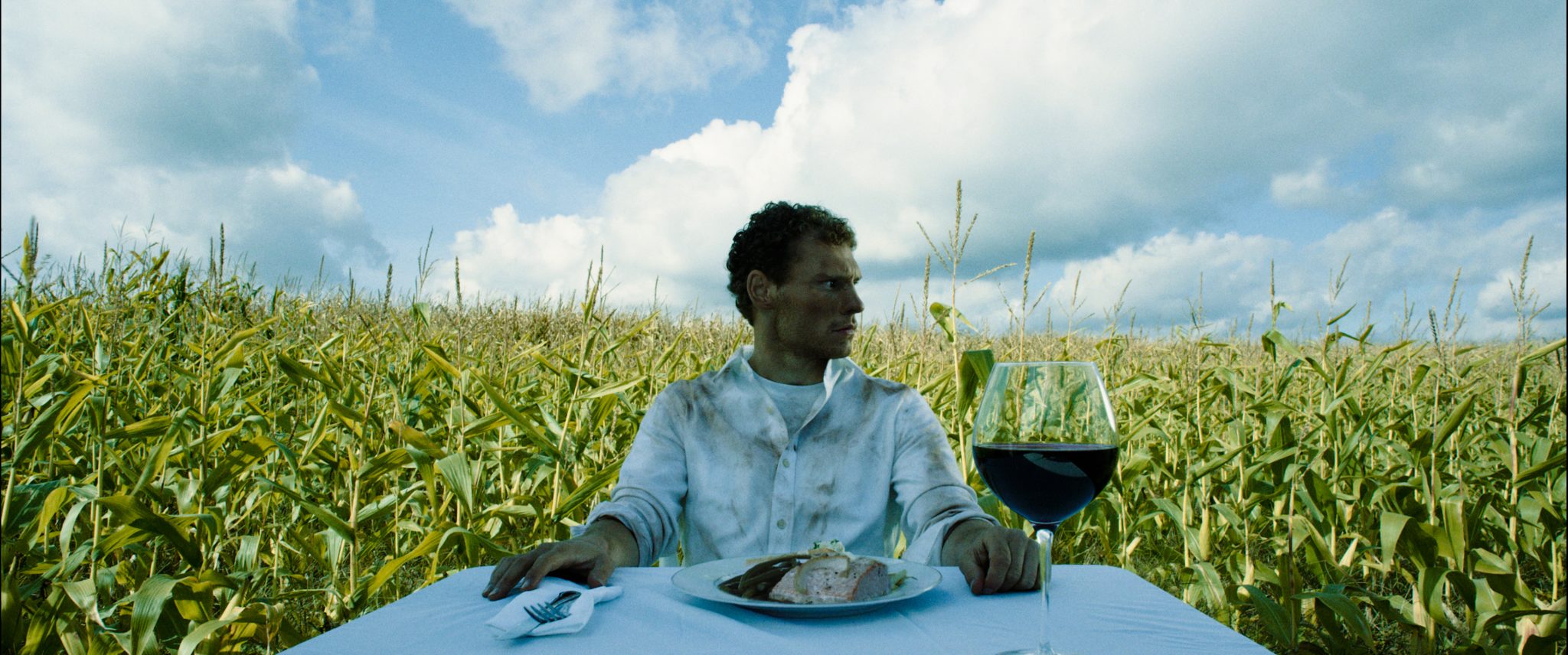
#AnAmericanDream star Jake Croker, surrounded by corn.

#AnAmericanDream You Won’t Remember

June 02, 2017 by Jorge Ignacio Castillo in Film, Review

Ken Finkleman tackles America’s follies and is surpassed by reality.

By Jorge Ignacio Castillo

THE PLOT: William Bowman, a happy-go-lucky kind of guy, realizes that to make it in today’s world, he has to go along with less than reputable characters. Much like Forrest Gump, William lands himself in recognizable scenarios (corporate boardrooms, reality TV, the gun control debate), which unveil the pervasive soullessness of modern America.


CRITIQUE: Through most of his later-day career, Ken Finkleman (The Newsroom, Good Dog) has traded in heightened reality and distrust of the media. #AnAmericanDream is a catalyst to his fixations. Finkleman has a dark, dyspeptic sense of humor, which I can get behind. The problem is that his brand of comedy not very funny or poignant.

The concept of “American Dream” has been mocked pretty thoroughly, and the writer/director’s observations in #AnAmericanDream are a both obvious (American legislators using religion to justify their less than humane actions is hardly ground-breaking, modern media lacks ethical or moral compass) and fail to add anything new to the debate. The film is a feel-bad journey without a payoff.


WHAT WORKS:

* 18-year-old newscaster Tally Pepper, not quite jaded to be a Fox News blonde, but well on her way to become one. Her appearances provide the funniest moments of the film, next to the prostitution-obsessed news crawl.

* The structural narrative of #AnAmericanDream feels fresh. In spite of the many elements it juggles (faux documentary, first-person perspective, episodic structure), it unfolds fluidly. It’s Finkleman’s forte.


WHAT DOESN’T:

* Jake Croker as William Bowman. Granted, the script asks for a blank-faced performance, but a little personality could have helped getting the audience on his side.

* The framing (Jake suffers a concussion that gives him a glimpse into the future) is unnecessary and the ending negates the very premise the film is built on.


RATING: **

RATING (CANADIAN CURVE): **½

#AnAmericanDream is playing at the Royal Cinema from Friday, June 2nd, to Sunday, June 4th.

June 02, 2017 /Jorge Ignacio Castillo
#AnAmericanDream, Ken Finkleman, Jake Croker
Film, Review
Comment

HotDocs Film Festival - Day 9: Donkeyote

May 05, 2017 by Jorge Ignacio Castillo in Documentary, Film, Review

By Jorge Ignacio Castillo

Donkeyote (UK/Germany, 2017): Finding documentaries that make you feel good about the human condition is often challenging. Donkeyote is one of them: Manolo, a septuagenarian farmer, enjoys days-long walkabouts across Southern Spain alongside his donkey, Gorrión. His dream is to one day walk the 2200-mile Trail of Tears in the US, but not only it’s expensive, bringing Gorrión is a whole other thing.

The film follows Manolo in his efforts to put the trip together, but the campaign is just an excuse to spend time with a compelling figure, an uncomplicated man who embraces life with gusto, but slowly realizes the world may have passed him by. Donkeyote could have used a sturdier structure (towards the end, the movie feels aimless), but it’s a guaranteed good time.

3/5 stars. Donkeyote will play Sunday 7th at the Scotiabank Theatre.

May 05, 2017 /Jorge Ignacio Castillo
HotDocs, Donkeyote
Documentary, Film, Review
Comment

Ramen Heads

HotDocs Film Festival - Day 8: Ramen Heads

May 04, 2017 by Jorge Ignacio Castillo in Film, Documentary, Review

By Jorge Ignacio Castillo

Ramen Heads (Japan, 2016): A man with a cause can be a powerful force, even if that cause is to create the best bowl of ramen eight dollars can buy. The figure in question is Osamu Tomita and he is as obsessive as a Michelin-anointed chef.

Tomita believes strong flavors can be balanced, so his broth is as thick as mud He is as picky with the noodles, the ingredients and the service. The outcome is memorable. I tasted it.

Ramen Heads doesn't entirely focus on Tomita, but he is the star of the show. The film covers the history and entire process of making ramen in dynamic fashion. The utterly dry narration manages to add more flavor to an already well seasoned dish.

3.5/5 stars. Ramen Heads will also play May 5th and 6th at the TIFF Bell Lightbox and the 7th at the Hart House Theatre.

May 04, 2017 /Jorge Ignacio Castillo
HotDocs, Ramen Heads
Film, Documentary, Review
Comment

House of Z

HotDocs Film Festival - Day 7: House of Z, Becoming Bond, Hondros

May 04, 2017 by Jorge Ignacio Castillo

By Jorge Ignacio Castillo

House of Z (USA/Canada, 2016): A problem with documentaries too closely linked to the individual being portrayed on screen is that the outcome may be too soft on the subject. It’s the case with the Zac Posen-centric House of Z, a recount of the rise and plateau of the fashion designer.

Posen, who was barely a teenager when he started making dresses for her friends (Paz de la Huerta, Jemima Kirke and other teen socialites), drafted his entire family and launched a haute-couture business, the aforementioned House of Z. Immediate success translated in growing demand. The stress plus Zac’s enfant-terrible persona caused serious tension within the Posen household, leading to a very public breakup.

Director Sandy Chronopoulos gets access to every member of the Posen clan and their video records. The story is intrinsically compelling and Chronopoulos is savvy enough to create suspense around the Posen’s Fall 2015 collection, billed as the designer’s make-it-or-break-it moment. That said, a more critical view would have been welcomed, particularly with a subject as controversial as Zac.

2.5/5 stars. House of Z will also play on Thursday 4th at the TIFF Bell Lightbox.


Becoming Bond (USA, 2017): There is something to be said about a doc that’s not stuffy or self-important. This George Lazenby-centric flick doesn’t have any other goal in mind than being fun and for the most part succeeds.

Lazenby was the only actor to portrait James Bond only once (On Her Majesty’s Secret Service) and walk away from the franchise. The documentary covers the bizarre series of events that turned him from a car mechanic with no acting experience into Sean Connery’s replacement. The Australian’s happy-go-lucky attitude towards life is syndicated as the reason of his success and the cause of him leaving the saga (producers wanted to control most aspects of his life).

Here is the kicker: Most of Lazenby’s story (who is at hand to narrate the tale) is told through broad recreations starring a fairly recognizable cast, including Jeff Garlin, Jane Seymour and Dana Carvey. While very cartoonish, it beats archive footage. One caveat: In order to give the film a well-rounded ending, the film implies Lazenby never set foot on a set after quitting Bond. The truth is he went on having a lengthy career in B movies and TV shows. Feels disingenuous.

3/5 stars. Becoming Bond will also play Thursday 4th at the Isabel Bader Theatre and Friday 5th at the TIFF Bell Lightbox.


Hondros (USA, 2016): War photojournalist Chris Hondros died covering the Libyan civil war in 2011. He left behind a remarkable body of work, including a number of photographs imprinted in the collective subconscious.

Hondros does a remarkable job depicting the two-time Pulitzer finalist (the director is Chris’ best friend, Greg Campbell), but goes beyond that. It makes clear what makes a great war reporter. It’s not fearlessness (although it helps). It’s the ability to read the situation and place it in context. This film is likely to transcend the festival circuit.

4/5 stars. Hondros will also play Friday 5th and Saturday 6th at the Isabel Bader Theatre.

May 04, 2017 /Jorge Ignacio Castillo
Comment

PACmen

HotDocs Film Festival - Day 6: PACmen, Integral Man, Recruiting for Jihad

May 03, 2017 by Jorge Ignacio Castillo in Review, Film, Documentary

By Jorge Ignacio Castillo

PACmen (USA/Australia, 2017): Of the many dramatic threads to emerge from last year’s election in the US, Dr. Ben Carson provided one of the weirdest. On the strength of a single speech, Carson was jettisoned to the Republican presidential race and for a brief moment, the neurosurgeon gave Trump a run for his money… until he opened his mouth. Unsubstantiated claims about his childhood and bizarre statements (the pyramids were built for storage purposes!) quickly derailed his candidature.

PACman focuses on the two super-PACs formed to support his candidacy: “Run Ben Run” and “Extraordinary America”. As a man of faith, Carson attracted a number of Christian-conservatives who struggled to understand how other Republicans could fall for a rube like Trump. As Carson continued to fall on the polls, increasingly desperate supporters could only blame the media and find solace in prayer.

The film is somewhat reminiscent of Weiner, with the major disadvantage that Carson’s downfall wasn’t nearly as entertaining as the former NY representative’s. PACmen offers very little new information on how Super-PACs operate and even less on the Carson’s campaign (well documented by the media) to justify its existence. It is, however, dryly amusing.

2/5 stars. PACmen will also play May 3rd at the Hart House, the 5th at TIFF Bell Lightbox and the 6th at the Fox Theatre.


Integral Man (Canada, 2016): The most published mathematician since Euclid, James Stewart was a man of many passions: Gay rights, music and architecture. His success allowed him to build a residence with very particular specifications: Heavy on glass and wood, mostly curve. The outcome -Rosedale’s Integral House- would go on becoming a sanctuary for classical music and benefit events.

More than a documentary, Integral Man is closer to architecture porn. Despite being barely an hour long, most of the length is used on repetitive shots of the residence. There is some input from the team that designed the house that’s neither illuminating nor insightful.

It’s unfortunate, considering Stewart’s considerable legacy. His contributions to calculus are barely paid lip service, let alone his activism (judging from the footage alone, all he did was hosting dinners). First-time feature director and landscape architect Joseph Clement does the very minimum (the house, the house at night, the house in winter, the house empty, the house with people) and failed to venture outside his zone of comfort, at the expense of the subject.

1.5/5 stars. Integral Man will also play on May 3rd at TIFF Bell Lightbox and May 5th at the Fox Theatre.


Recruiting for Jihad (Norway, 2016): There is a fundamental problem with this doc about a Jihadist connecting radicalized young men with the Islamic State: In order to gain access, the filmmakers gave the recruiter decision power regarding content. The film is illuminating, but comes short in showing the mechanics of the process.

2.5/5 stars. Recruiting for Jihad will play one last time Saturday 6th at TIFF Bell Lightbox.

May 03, 2017 /Jorge Ignacio Castillo
HotDocs, PACmen, Integral Man, Recruiting for Jihad
Review, Film, Documentary
Comment

The Workers Cup

HotDocs Film Festival - Day 5: The Workers Cup

May 01, 2017 by Jorge Ignacio Castillo in Documentary, Film, Review

By Jorge Ignacio Castillo

The Workers Cup (UK, 2017): Much has been said about the brutal conditions foreign workers must endure while building stadiums for the 2022 Qatar World Cup (high temperatures, excessive hours, disproportionately low wages). Their plight has seldom been documented: Press access to worksites is severely restricted.

Director Adam Sobel takes advantage of a PR move to gain access to the workforce. The embattled contractors have organized a soccer championship to show concern for the wellbeing of their employees: The Workers Cup. The overworked personnel fails to see the tournament as a publicity stunt and happily become involved.

The harsh realities of being a foreign worker in Qatar seep through the supposedly wholesome competition. Unsavory situations like being unable to leave camp at will, or a man getting stabbed by his roommate so he could be sent back home pepper the daily lives of the migrant workforce.

Much to the film’s credit, The Workers Cup treats its subjects as individuals with agency and not as victims, which makes their plight much more relatable. Their story has only started to unfold

3.5/5 stars. The Workers Cup will play one last time on Sunday 7th at the TIFF Bell Lightbox.


May 01, 2017 /Jorge Ignacio Castillo
HotDocs, The Workers Cup
Documentary, Film, Review
Comment

The Road Forward

Hot Docs Film Festival - Day 4: The Road Forward

May 01, 2017 by Jorge Ignacio Castillo in Documentary, Film, Review

By Jorge Ignacio Castillo

The Road Forward (Canada, 2016): A blend of musical and documentary too ambitious for its own good, The Road Forward attempts to tackle First Nations’ most significant struggles of the last century (the Native Brotherhood, the Constitution Express, residential schools, missing aboriginal women) via information and music. The outcome is so scattered, it’s hard to become fully immersed in the film.

As if recent history wasn’t enough, The Road Forward dedicates a fair amount of time to the performers’ own battles. Their stories are compelling in their own right, but become lost in a bombardment of minutiae, particularly in the top half. Five years ago, the stylistically similar The Art of Killing succeeded by limiting its scope.

The rise of Canada’s first indigenous newspaper -The Native Voice- gives the film a vague framing, but the outcome cries for structure. The music comes close to provide one (“Indian Man” is so catchy it should transcend the film), but the result is far from cohesive.

 2/5 stars.

The Road Forward also will play May 1st and May 6th at the Scotiabank Theatre.

May 01, 2017 /Jorge Ignacio Castillo
The Road Forward, HotDocs
Documentary, Film, Review
Comment

City of Ghosts

Hot Docs Film Festival - Day 3: City of Ghosts, Shiners

April 30, 2017 by Jorge Ignacio Castillo in Documentary, Film, Review

By Jorge Ignacio Castillo

City of Ghosts (USA, 2016): Documentaries don’t get any timelier and pressing than director Matthew Heineman’s follow-up to Cartel Land. The filmmaker chronicles the struggle of a group of Syrians who, as a response to ISIS taking over their city, started the site called “Raqqa Is Being Slaughtered Silently”, which would go on to win the Freedom of the Press Award.

Unless, let’s say, America’s citizen journalism (often an angry white guy with a blog and a lot of venom to spew), the RBSS journos risk their lives even outside Syria. The Islamic State has put a price to their heads and there is no shortage of fanatics willing to go hunting.

The footage is brutal and often hard to watch (the executions are horrifying and the indoctrination of children is plain sinister). The film excels at portraying the danger the reporters face and the value of the information they get out of the country. Anyone who wants to find out what’s at stake in Syria should look out for this doc.

4/5 stars. City of Ghosts will also play May 6th and 7th at the HotDocs Ted Rogers Cinema.


Shiners (Canada, 2016): This terrific doc takes on a trade that exists around the globe -shoe shinning- and uses it to shed light on different cultures and the way this activity is perceived. The formula is simple: Five different cities, one or two shiners per town.

In New York and Toronto, shoe-shinning is a hipster trend, a craft practiced by people who find the occupation soothing. In Tokio, it’s a science: The main practitioner has learned everything there is to know about leather and delivers footgear that looks better than new. In Sarajevo, it’s a matter of pride: A shoe shiner’s father never stopped working, even in the midst of war, and the son wants to honor him by continuing the tradition. In La Paz, there is shame involved, to the point shiners must wear masks to avoid recognition and possible discrimination.

The film is both illuminating and touching. Every subject has a compelling story to tell, even the clients. One only wishes a sixth city could have been included so the film could beat the ninety-minute mark.

3.5/5 stars. Shiners will also play April 30th and May 4th at the Hart House Theatre. 

April 30, 2017 /Jorge Ignacio Castillo
HotDocs, City of Ghosts, Shiners
Documentary, Film, Review
Comment

Mermaids

Hot Docs Film Festival - Day 2: Mermaids, Blurred Lines, Brimstone & Glory

April 29, 2017 by Jorge Ignacio Castillo in Film, Documentary, Review

By Jorge Ignacio Castillo

Mermaids (Canada, 2016): A fascinating phenomenon per se, women who find personal fulfillment by becoming “mermaids” are a lot more common than expected. Mermaids focuses on three of them, each one going through a challenging journey: A transgender woman, a grieving sister and a bipolar Latina coming to terms with a history of abuse. Each one has discovered that rubber tails free them from all their burdens, however briefly.

Mermaids does a good job humanizing a potentially ludicrous practice: Midway through the film, director Ali Weinstein digs deep on what makes this women tick and finds gold. The documentary could have used some professional insight, but as it stands, it’s quite entertaining.

3/5 stars. Mermaids will also play Saturday, April 29th, at the Isabel Bader Theatre, Monday, May 1st, at the TIFF Bell Lightbox and Friday the 5th at the Scotiabank Theatre.


Blurred Lines: Inside the Art World (Canada, 2017): This academic doc by Barry Avrich (Stratford Festival’s mainstay director) is a good example of a compelling topic comprehensively researched. The matter at hand is the business of art: Billions of dollars change hands with little regulation and often with merely speculative purposes. The result is a mercenary market that shapes artists’ output and not for the best.

Avrich spares us any lecturing about how art and money are mutually exclusive. The filmmaker puts together an impressive array of interviewees, including contemporary figures like Marina Abramovic and Julian Schnabel, collectors, consultants, gallerists and museum directors. You won’t find any dealers, but there is a good reason for that. Blurred Lines benefits of a visually enthralling subject and delivers an agreeable experience, if a notch sterile.

3.5/5 stars. Blurred Lines will also play Saturday, April 29th, at the HotDocs Ted Rogers Cinema and Sunday, May 7th, at the Isabel Bader Theatre. 


Brimstone & Glory (USA, 2017): There isn't a better format to register collective madness, in this case, the National Pyrotechnic Festival in Tultepec, Mexico. The entire town lives for this event, even though very few have the education to create fireworks (most of the instructions come from tradition and trial and error) and many have lost limbs, if not their lives.

The event itself is at a whole other level of crazy. Most of the fireworks go off at eye level and in the middle of the crowd. Embers landing in people’s eyeballs are a common occurrence. Not surprisingly, the film is visually enthralling (director Viktor Jakovleski uses traditional and GoPro cameras to capture the action), although it could have used more research or characters to follow.

3/5 stars. Brimstone & Glory will also play Saturday, April 29th, at the Scotiabank Theatre and Saturday, May 6th, at the TIFF Bell Lightbox.

April 29, 2017 /Jorge Ignacio Castillo
HotDocs, Mermaids, Blurred Lines, Brimstone & Glory
Film, Documentary, Review
Comment

Bee Nation

HotDocs Film Festival - Day 1: Bee Nation

April 28, 2017 by Jorge Ignacio Castillo in Documentary, Review, Film

By Jorge Ignacio Castillo

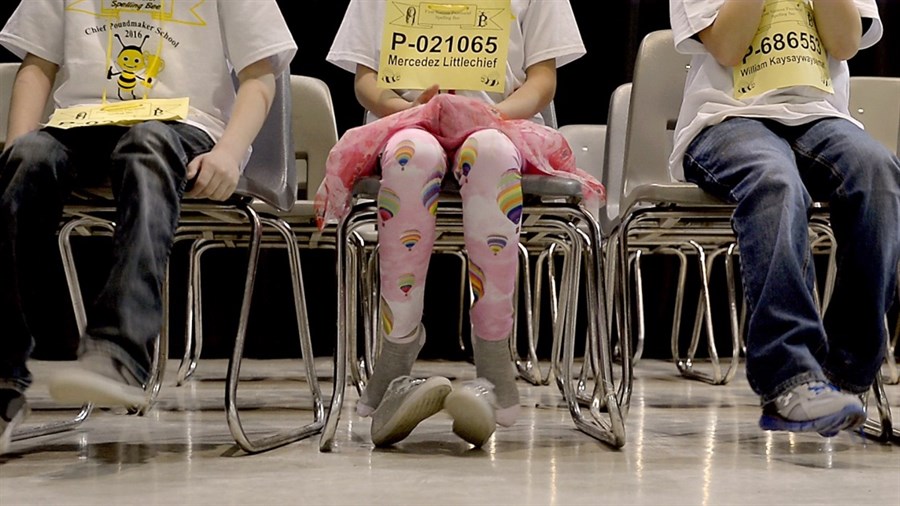
Bee Nation (Canada, 2017): The definition of a crowd-pleaser to kick off this edition of HotDocs, Bee Nation revolves around an event with tension, drama and personal achievement ingrained in its DNA: The First Nations Provincial Spelling Bee competition. The first ever for aboriginal community.

It’s Documentary 101: Director Lana Slezic pics a handful of kids from different First Nations communities in Saskatchewan and shows their lives and how they prepare for the event. The approach allows some distressing information to seep through, like the fact schools in reserves receive considerable less money per student and, forcing administrators to make some hard decisions regarding their curriculum.

The children Slezic picks as main subjects are all overachievers, but they have a personality of their own (for William, failure is devastating; Savannah is a model of personal drive). In each case, their parental figures see education as a way out, a chance to see a world beyond the reserve. Heartbreak is unavoidable (the winners of the provincial chapter head to Toronto to compete against private school kids with tutors), but makes for great cinema.

Bee Nation is a bit stately (it’s presented under the CBC Docs banner), but is worth your attention.

3/5 stars. Bee Nation will also play Friday, April 28th, at the HotDocs Ted Rogers Cinema, and Saturday, May 6th, at the Isabel Bader Theatre.

April 28, 2017 /Jorge Ignacio Castillo
HotDocs, Bee Nation
Documentary, Review, Film
Comment

Stuart Margolin and Linda Thorson in The Second Time Around.

REVIEW: The Second Time Around: Maybe the Third One

March 29, 2017 by Jorge Ignacio Castillo in Review, Film

This amiable senior drama could have used some teeth.

By Jorge Ignacio Castillo

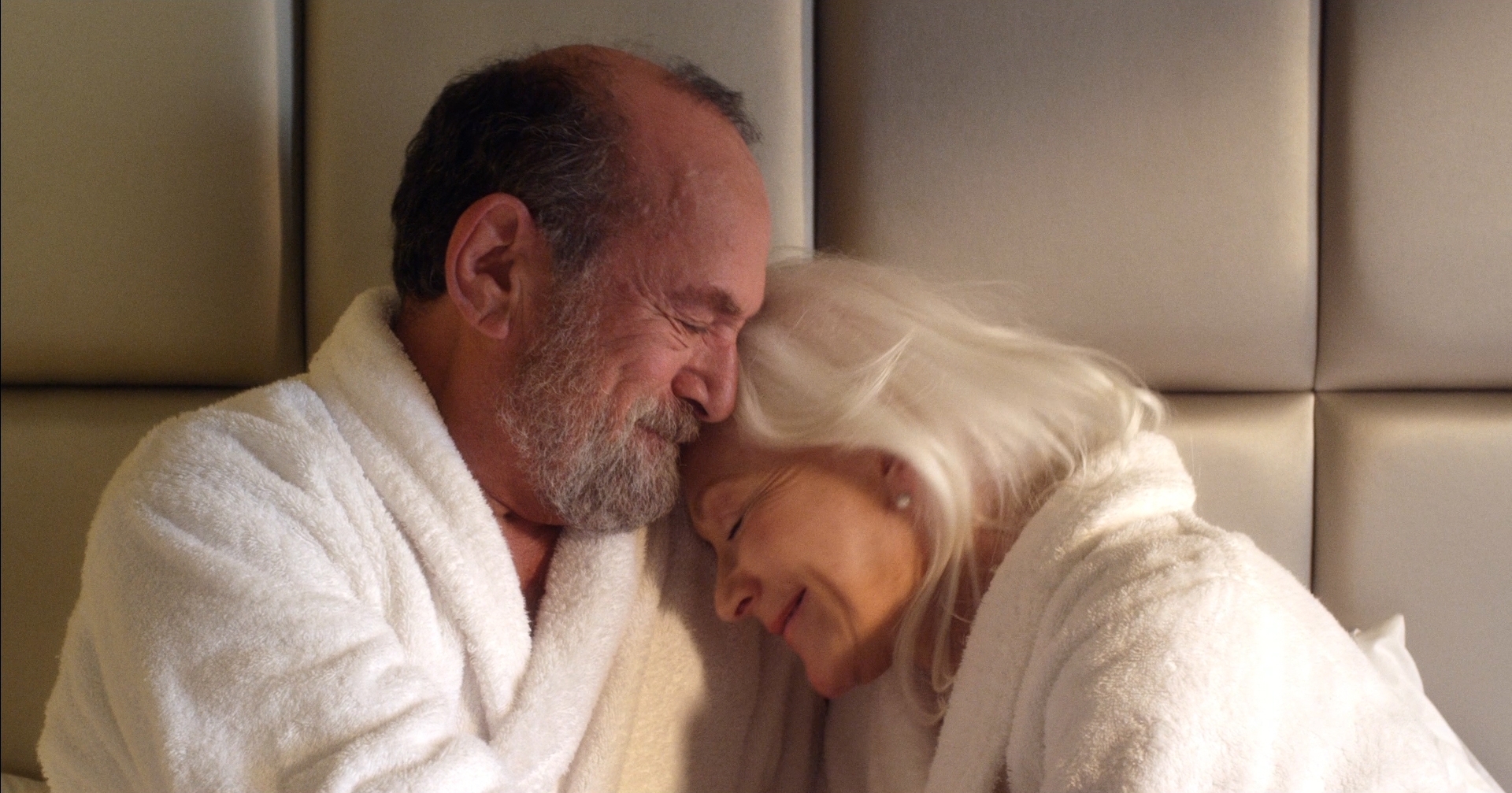
THE PLOT: Katherine (Linda Thorson, The Avengers’ Tara King!) is a vivacious, music-loving septuagenarian who -following an accident at the opera- lands at a seniors’ home. Despite assurances from her daughter that it’s a temporary arrangement, Katherine couldn’t possibly be unhappier.

Things begin to look up when she meets Isaac (Stuart Margolin, The Rockford Files), a retired tailor whose incipient arthritis doesn’t prevent him from doing patch jobs for his housemates. After a rocky start, Katherine and Isaac tentatively embark in a romantic relationship, but at their age, the stakes are higher and the challenges, numerous.

CRITIQUE: A low-key drama with one too many troupes, The Second Time Around caters to a very specific niche, the one that flocks the 5th Avenue Cineplex in Vancouver and the Varsity in Toronto. The straightforward narrative has a clear drive (seniors being the driving agents of their own lives), and if you don’t mind predictability, it may satisfy. The one thing the film doesn’t deliver is fresh insight.

Linda Thorson and especially Stuart Margolin succeed at making the often stilted dialogue tolerable. It’s the younger cast members who are not as successful at making the script their own.

WHAT WORKS:

* Not only Stuart Margolin is the movie’s MVP. He gets to sing a couple of songs in Yiddish worth your attention.

* There is some chemistry between Margolin and Linda Thorson. The courtship features some charming, quiet moments, all too infrequent in modern cinema.

* The movie looks favorably at indulging and enabling our elders, a rather unexpected message for a film of this nature.

WHAT DOESN’T:

* The cinematography is very dull. The production design is particularly unimaginative.

* Most of the comedy falls flat and, when it doesn’t, it’s too gentle to register.

* You wouldn’t believe the number of 360-degree dolly shots this movie has.

RATING: **

RATING (CANADIAN CURVE): **1/2

The Second Time Around is now playing in Montreal, Toronto and Vancouver.

March 29, 2017 /Jorge Ignacio Castillo
The Second Time Around, Stuart Margolin, Linda Thorson, Leon Marr
Review, Film
Comment

Michael Fassbender and Brendan Gleeson in Trespass Against Us.

TIFF '16 -Day 9: Trespass Against Us, The Belko Experiment, Little Wing, The Net

September 17, 2016 by Jorge Ignacio Castillo in TIFF, Review, Film

By Jorge Ignacio Castillo

Trespass Against Us (UK, 2015): I would normally praise an A-lister for going back to his native land to do a cheaper movie, but Michael Fassbender is rather miscast in this mildly compelling drama. Fassbender is Chad, the second in command of a band of outlaws living in the forest. Chad is good at what he does and is one hell of getaway driver. He is also a family man and has slightly more common sense than his fellow thieves.

When it becomes clear his son is likely to end up as one of the inept criminals that surround him, Chad begins to consider the possibility of jumping ship. The only obstacle is his father (Brendan Gleeson), a powerful figure that keeps Chad under his thumb using putdowns and guilt-tripping.

It just takes one look at Fassbender to realize he is no shrinking violet, a detail that makes his character hard to swallow. He is not the only problem: Trespass Against Us often feels aimless, the premise is stretched over ninety minutes for no apparent reason. While we care about the outcome, the film could have use a rewrite and a less-chiseled star. Three stars.

The Belko Experiment (USA, 2016): Imagine The Hunger Games without the terrible romance, or Battle Royale without the mystique. It’s just an every-man-for-himself brawl set in corporate America, and it’s predictably nasty and entertaining. Three stars.

Little Wing (Finland, 2016): The issue of immature parents who lean emotionally on their children is a recurrent one in this edition of the festival. In Little Wing, the subject is treated matter-of-factly: A twelve-year old girl basically raises herself as her self-involved mother sees her more as a clutch than as a person. That is, until the kid goes missing. Too low key to cause a splash, but worth looking out. Three and a half stars.

The Net (South Korea, 2016): Controversial filmmaker Kim Ki-Duk (Moebius, Pieta) delivers his most traditional film to date, but one with edge to spare. Through the story of a North Korean fisherman who unwittingly finds himself south of the demilitarized zone, Kim depicts the two Koreas as the mirror images of one another. According to The Net, neither country can claim moral superiority, not quite the narrative we hear in the Western World. Three and a half stars.

That’s it for me folks. Four to five movies a day take a toll on you. See you at the movies.

For more #TIFF16 up-to-the-minute updates, follow me on Twitter at @jicastillo.

September 17, 2016 /Jorge Ignacio Castillo
Trespass Against Us, The Belko Experiment, Little Wing, The Net
TIFF, Review, Film
Comment

The Girl with All the Gifts

TIFF '16 - Day 8: The Girl with All the Gifts, Ma' Rosa

September 15, 2016 by Jorge Ignacio Castillo in TIFF, Review, Film

By Jorge Ignacio Castillo

The Girl with All the Gifts (UK, 2016): Between The Walking Dead and all the low-rent undead flicks, it’s hard to give a fresh twist to the zombie subgenre. The Girl with All the Gifts does its darndest to achieve it, but the surplus of ideas ends up hurting the outcome.

The film opens intriguingly enough. A group of inoffensive-looking children are treated like Hannibal Lecter by an overzealous military unit. One of the kids is the dependably polite Melanie (newcomer Sennia Nanua), who hangs pictures of a cat on her wall when no one is looking. Slowly we come to realize the children are partially zombified, but retain a semblance of humanity.

The matter of the kids’ right to be treated as people is one of the many issues the movie hints at, but doesn’t develop (likely, the novel that inspired the film is more thorough). One element I haven’t seen in other zombie movies is the suggestion that mankind is screwed anyway and we should just let it happen.

The Girl with All the Gifts may have been better suited for a TV series. As a feature, too much info falls through the cracks. Two stars.

Ma' Rosa (Philippines, 2016): I was not familiar with the filmography of Philippines most noteworthy filmmaker, Brillante Mendoza. Getting introduced to his work through Ma’ Rosa is akin to being thrown into the deep end of the pool: Gritty, relentless and depressing.

The drama follows 24 hours in the life of Rosa, a convenience store owner/crack dealer. Life in poverty has hardened the mother of three, and her relationship with her kin is punctuated by abuse. This day in particular her store is raided by the police, and the only way she can escape time in the clink is by ratting out her provider and put together a considerable amount for her “bail” (bribe).

The movie revolves around Rosa, but takes breaks to follow her children as they try to get the money in heartbreaking sequences. Also, we get to see the utterly corrupt police force try to make the most of the arrest (financially, that is). Brillante Mendoza employs a visual style very similar to late-period Michael Mann (handheld HD video), only in this scenario is more appropriate than say Miami Vice. Ma’ Rosa just looks chaotic, but has structural clarity and purpose. Four stars.

For #TIFF16 up-to-the-minute updates, follow me on Twitter at @jicastillo.


September 15, 2016 /Jorge Ignacio Castillo
The Girl with All the Gifts, Ma' Rosa
TIFF, Review, Film
Comment

Rebecca Hall in Christine.

TIFF '16 - Day 7: Christine, Sand Storm

September 15, 2016 by Jorge Ignacio Castillo in TIFF, Review, Film

By Jorge Ignacio Castillo

Christine (USA, 2016): In 1974, Sarasota news reporter Christine Chubbuck responded to management pressures for more exciting stories by blowing her brains off on live TV. Since there is no mystery about her fate, this biopic focuses on the many factors that led her to take such drastic decision.

As depicted in the film, Christine Chubbuck (Rebecca Hall, Vicki Christina Barcelona) was the smartest reporter in the room, with hopes to go to a bigger market. Christine was also struggling with depression, infertility and an unrequited crush on the news anchor (Michael C. Hall, Dexter).

The film is broad but successful at exploring all the elements involved in Chubbuck’s suicide. But the movie’s biggest asset is a powerhouse performance by Rebecca Hall, who builds a sympathetic character without betraying the integrity of the person who inspired it. If Christine wasn’t an indie struggling with distribution, I would call Hall a shoe-in for an Oscar nomination. Three stars.

Sand Storm (Israel, 2016): As problematic as the issue of arranged marriages is in the Middle East, there are only so many outcomes available to filmmakers. Sand Storm finds a less explored strain, but fails at distinguish itself from other similarly themed films (Academy Award nominee Mustang hit theatres just last winter).

The eldest daughter of a Bedouin family, Layla believes that because her father allows her to drive and pursue an education, she can pick her own beau. She would be wrong. Mere days after bringing the boyfriend home, she is engaged to a less than stellar individual from her community.

Layla’s stern mother, Jalila, appears initially as the villain of the piece (she is the first one to oppose the young woman’s relationship), but soon becomes clear she is a realist with a better grasp of her husband’s character. Jalila is also fighting her own issues, namely the arrival of a second wife, much younger than her.

Sand Storm brings attention to the limited opportunities women have in this environment and hints at the resilience of patriarchal tradition. Worth watching, if you haven’t been exposed to the subject before. Three stars.

For #TIFF16 up-to-the-minute updates, follow me on Twitter at @jicastillo.

September 15, 2016 /Jorge Ignacio Castillo
Christine, Sand Storm
TIFF, Review, Film
Comment

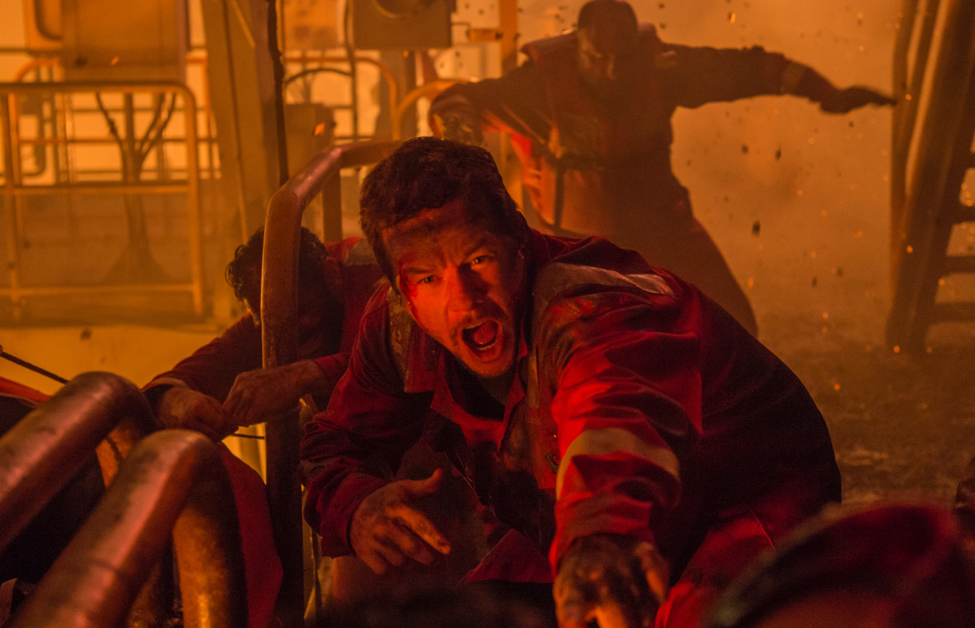
Mark Wahlberg in Deepwater Horizon.

TIFF '16 - Day 6: Deepwater Horizon, Mean Dreams, Manchester by the Sea, The Salesman

September 14, 2016 by Jorge Ignacio Castillo in TIFF, Review, Film

By Jorge Ignacio Castillo

Deepwater Horizon (USA, 2016): Given director Peter Berg’s previous output (the disreputable Lone Survivor), I was honestly expecting this movie would be on British Petroleum’s side. Thankfully, Deepwater Horizon sticks to the official story and slaps some action scenes for good measure.

Berg’s go-to leading man, Mark Wahlberg, is Mike Williams, the second in command at the ill-fated oil platform. Because of greed inspired BP directives, a number of security checks are bypassed, so when they finally agree to a checkup, all hell breaks loose.

Even though Berg goes way over the top with the jargon, the filmmaker does a good job explaining the events that lead to the oil spilling (the environmental catastrophe that ensued is only mentioned in passing). But for all the didactic exposition and superb execution of complex action sequences, the characters are one-trait ponies. Kate Hudson is in this movie solely to pace around the house and look worried (and gorgeous). Two and a half stars. 

Mean Dreams (Canada, 2016): In any other year, Mean Dreams would have shined among TIFF’s Canadian offerings. However, given the strong crop in display this festival, it comes out as pedestrian.

In a rural area near Sault St. Marie, two troubled teens fall in love. Jonas (Josh Higgins, Max) is the son of an impoverished farmer who must quit school to help with the land. To the house next door arrives Casey (Sophie Nélisse, The Book Thief), a sweet girl with a rageaholic father (Bill Paxton). They soon fall for each other, but Casey’s dad doesn’t approve of the relationship. Two caveats: The father is a police officer and has a drug business on the side.

Outside beautiful fall scenery, there nothing particularly moving about Mean Dreams: The lovers on the lam angle has been explored a thousand times and this film doesn’t have anything original to add. That said, Mean Dreams is competently made and Nélisse -who got started as one of Monsieur Lazhar students- is becoming a talent to watch. If nothing else, Bill Paxton’s scenery chewing is worth checking out. Two stars.

Manchester by the Sea (USA, 2016): Playwright, screenwriter and director, Kenneth Lonergan has a knack to capture the depths of an individual just by watching it go through their day. His dialogue never feels forced, but is revealing all the same. His movies are a low-key wonder.

Manchester by the Sea is only his third movie and the most complete one to date. Lee Chandler (Casey Affleck, never better) is a taciturn janitor sleepwalking through his life. The death of his brother takes him back to his hometown, a visit that troubles him for reasons that slowly come into focus. There is also a surprise in stock for Lee: He has been named his 16-year old nephew’s guardian, a task he believes he’s not up to, despite having an easy rapport with the kid.

As is tradition in Lonergan’s work, comedy and tragedy mix seamlessly. Teenage self-centeredness and Lee’s unsociable behavior lead to perfectly relatable (and often gut-busting) clashes. The writer/director doesn’t avoid the leg work and turns those minor indignities of everyday life into representations of inner turmoil. An early frontrunner for the Academy Awards, at least in acting and writing categories. Four stars. 

The Salesman (Iran, 2016): While Iranian director Abbas Kiarostami was celebrated for the lyricism of his work, Asghar Farhadi deserves credit for being the filmmaker who best has captured the country’s modern quandaries.

The Salesman is less well-rounded than Farhadi’s previous film -A Separation-, but is just as provocative. Emad, a teacher-cum-actor is forced to abandon his home when the shoddy building he lives in starts to fall apart. He believes he has found a bargain when a friend offers him another apartment, but not even a couple of nights after moving in his wife is attacked. A hunt for the perpetrator ensues, without the assistance of the police or the traumatized victim.

It’s never explicitly said, but the film strongly hints the assault was sexual in nature. Farhadi depicts a society unprepared to deal with crimes of this ilk, and men struggling to see women as their equals. That said, the picture of Iran is of a society much closer to the Western World than other countries in the region are. The Salesman may challenge some preconceptions, without losing sight of the problems that still affect the country. Three and a half stars.

For #TIFF16 up-to-the-minute updates, follow me on Twitter at @jicastillo.

September 14, 2016 /Jorge Ignacio Castillo
Deepwater Horizon, Manchester by the Sea, The Salesman
TIFF, Review, Film
Comment

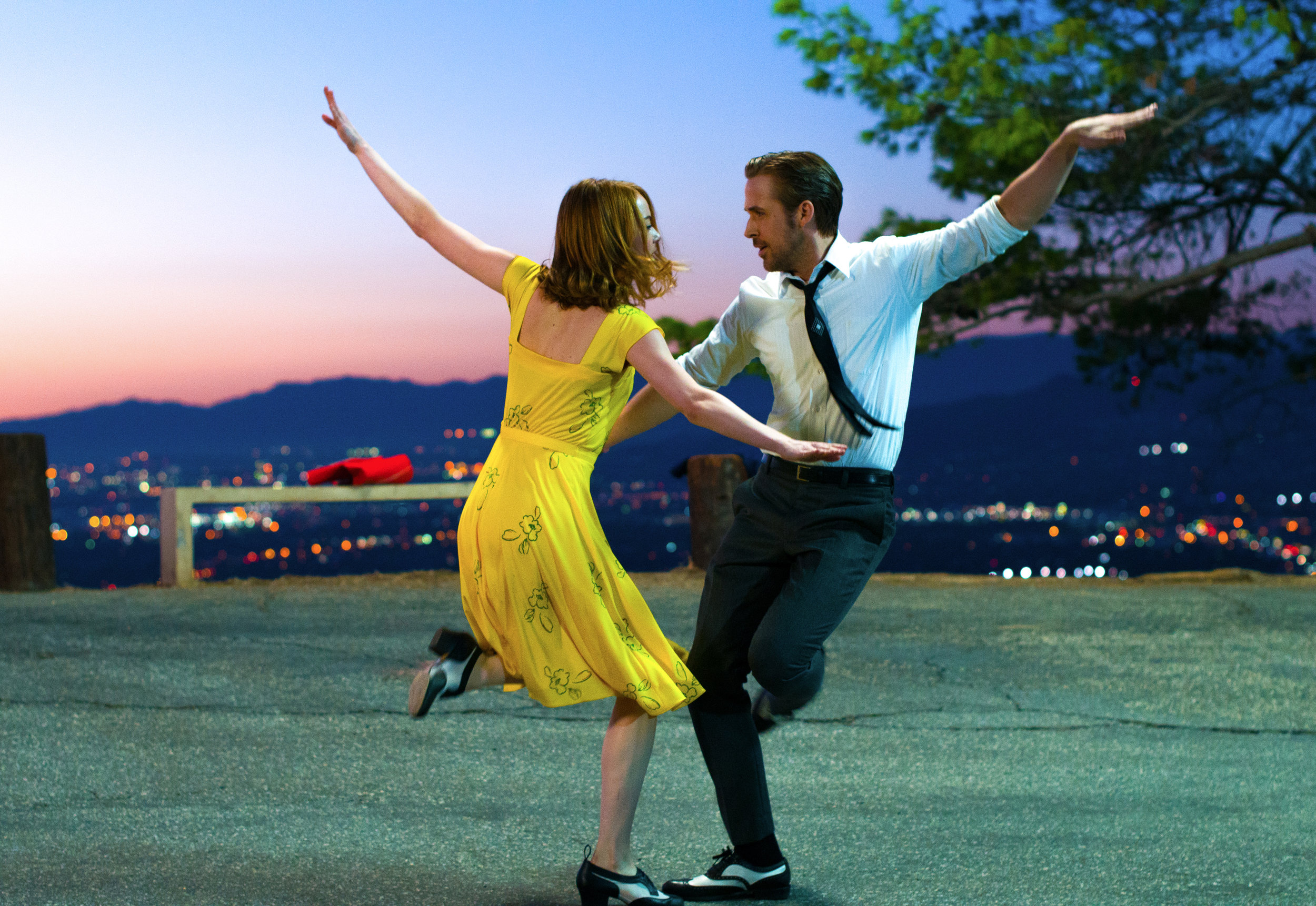
Emma Stone and Ryan Gosling in La La Land.

TIFF '16 - Day 5: La La Land, Window Horses, Paterson

September 12, 2016 by Jorge Ignacio Castillo in Film, Review, TIFF

By Jorge Ignacio Castillo

La La Land (USA, 2016): Director Damien Chazelle’s follow-up to the superb Whiplash shows a filmmaker willing to explore outside his zone of comfort. Narratively, La La Land is pat, but the visuals, music and choreographies more than make up for it.

The story is pure Hollywood lore: Mia is a small town girl (Emma Stone) struggling with getting her acting career off the ground. As she makes her way through Tinseltown, she encounters a jazz musician (Ryan Gosling) with whom she falls in love with. Opportunity doesn’t have a sense of timing and their careers get in the way of a fulfilling relationship.

La La Land is visually stunning and goes from feat to feat (the opening sequence set on a freeway is one for the books), yet it remains profoundly human. Gosling and Stone are top notch, both as song-and-dance partners and in the more dramatic sequences. The film features a coda so brilliant, it practically eclipses the rest of the movie. A strong candidate to best of the fest. Four and a half stars.

Window Horses (Canada, 2016): A phenomenal animated drama that proves you don’t need millions of dollars or Pixar-like precision to trigger an emotional response, Window Horses could be the surprise of this edition of TIFF.

Rosie Ming (voiced by Sandra Oh) is a young writer with little life experience who gets the surprise of a lifetime when she is invited to a poetry festival in Shiraz, Iran. It’s not entirely out of the blue: Rosie is of Persian and Chinese descent, and is curious about her absent father’s land. The culture shock is considerable, but more so the discovery of how little she knows about her craft.

An already captivating plot is further improved with the incorporation of traditional Iranian poetry and dollops of history. The film’s looks are deceptively simple (Rosie is a stick figure, but there is a good reason for that) and enables the participation of guest animators for the most lyrical sequences. There isn’t a weak link in this chain: Sandra Oh’s voice acting is on point, Don McKellar as a conceited German poet is a hoot and the narrative builds up to a powerful climax. Four stars.

Paterson (USA, 2016): Following a career apex (the superb Only Lovers Left Alive), Jim Jarmusch takes a step back and delivers a deceptively simple meditation on routine and art.

Not one to abandon his indie roots despite widespread recognition, Adam Driver plays the title character. Paterson is happy with his lot in life, a whimsical and loving wife, a pub that suits his sensibilities and a job (bus driver) that allows him to rove around his beloved city… Paterson, New Jersey. The only element that distinguishes him is his appreciation for poetry, both as a reader and as a writer.

Paterson flirts with surrealism, but never leaves the viewers hanging. For the most part, his approach is charming, like reencountering the leads of Moonrise Kingdom as teenagers with a rebel streak. Jarmusch’s attempt to achieve transcendence through repetition is daring, although the verdict on whether he succeeded or not may vary from one viewer to the next. Three and a half stars.

For #TIFF16 up-to-the-minute updates, follow me on Twitter at @jicastillo.

September 12, 2016 /Jorge Ignacio Castillo
La La Land, Window Horses, Paterson
Film, Review, TIFF
Comment
  • Newer
  • Older

Powered by Squarespace